Ground investigation
Ground conditions can be one of the greatest hazards to any construction project. A well-designed investigation is essential.
Methods we use
We use the findings of the Phase 1 Desk Study to choose the techniques that will give the information required, taking into account the expected ground sequence and any identified risks.
Cable percussion boreholes
Including low-headroom rigs for working in basements and areas of limited access.
Rotary boreholes
Using coring (such as Geobor S) and open-hole techniques.
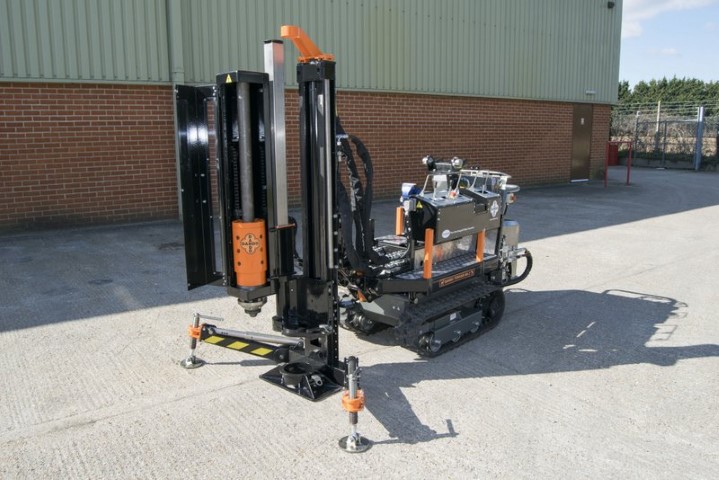
Solid stem rotary auger boreholes
Using a tracked rig.
Dynamic sampling
Window and windowless, with tracked rigs or handheld equipment.
In-situ testing
Standard Penetration Testing (SPT), falling and rising head permeability testing, and self-boring pressuremeter testing in boreholes.
Continuous dynamic probe testing
Part of our range of exploratory methods.
Cone Penetration Testing (CPT)
Part of our range of exploratory methods.
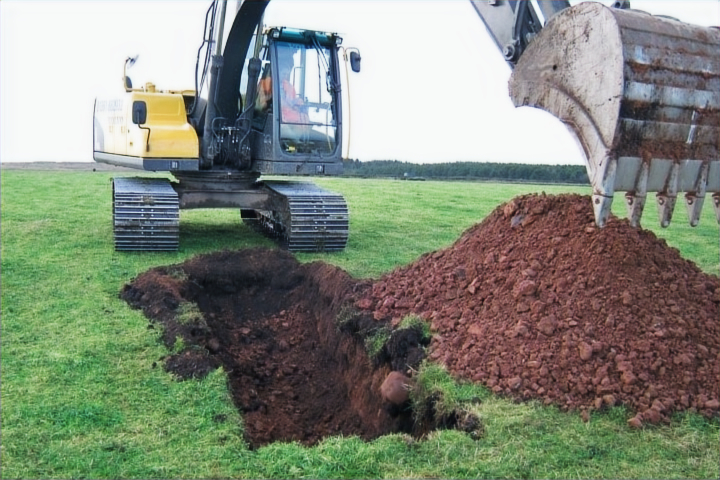
Mechanically excavated trial pits
Including large-scale soakage testing to BRE365.
Hand-excavated trial pits
To expose existing foundations.
Structural investigation
Part of our range of exploratory methods.
Specialists, controlled by our engineers
As an integral part of the Phase 2 investigation, we can provide additional services using specialist companies. Fieldwork and specialist testing are carried out by experienced and trusted subcontractors who have worked with us over many years.
The overall investigation is controlled by our geotechnical engineers, who monitor progress and make sure sufficient, relevant data are obtained for the proposed development.